A slight temperature, a fever, or already an infection? When should a parent worry?
October 5, 2025
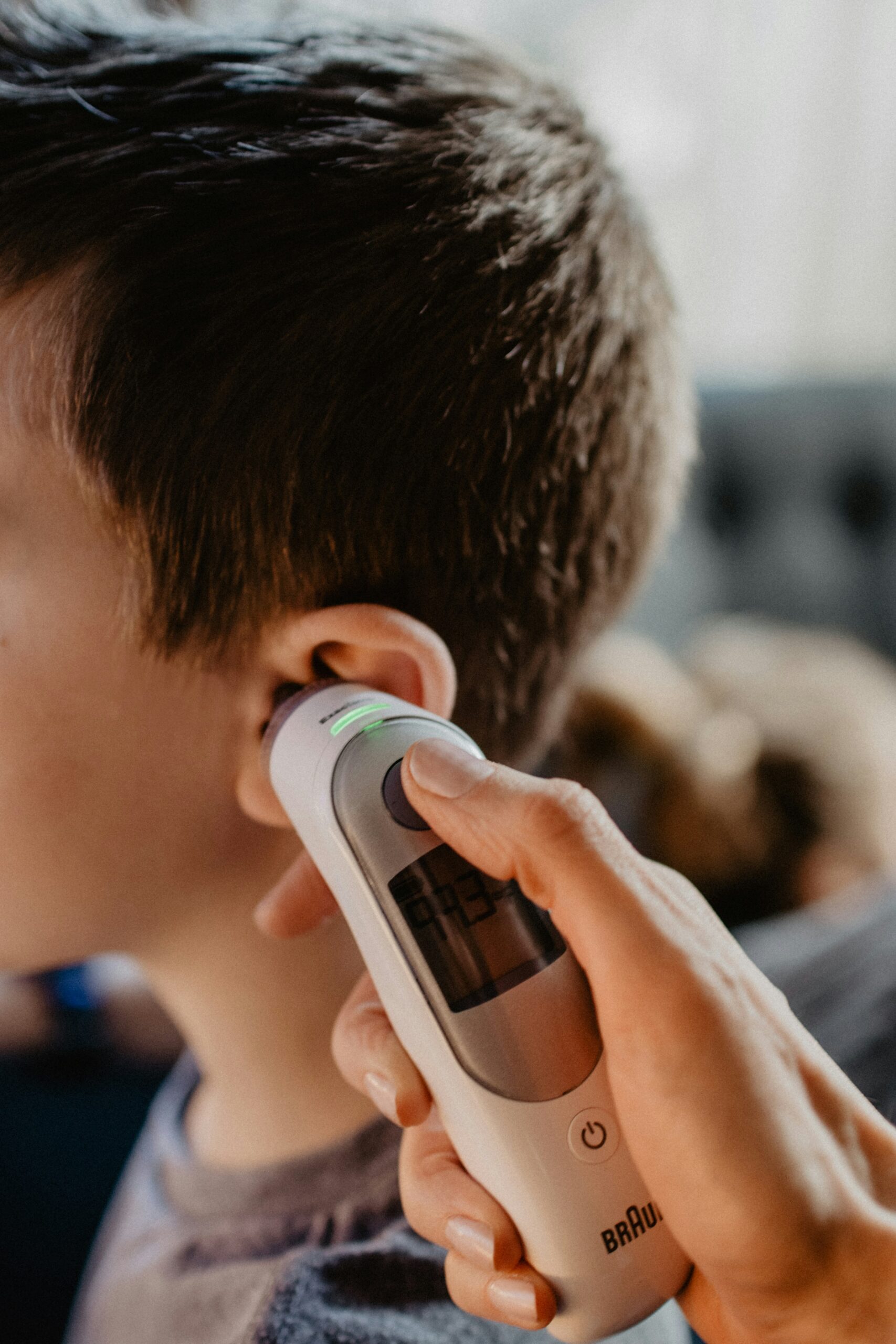
A fever is always worrying, especially when a child suddenly comes down with one. But is every fever a bad sign? And really, when do we call it a fever, and when is simply watching the child enough?
What's the difference between a slight temperature and a fever?
- Normal body temperature: 36.5–37 °C
- Slightly raised temperature: 37.1–37.9 °C
- Fever: above 38 °C
The body isn't "sick" at this point, it's defending itself: the higher temperature helps destroy the pathogens.
When is there no need to worry?
If the child has a fever but is eating, drinking, playing and responding well, that's a good sign. In that case there's no need to reach straight for a fever reducer: rest, fluids and light clothing are often enough.
When is it worth seeing a doctor?
- Fever above 39 °C, or one that has lasted 3 days without letting up
- If the child is very listless, barely drinking, or vomiting
- If there's a rash, neck stiffness, or difficulty breathing
- If the infant is younger than 3 months and has a temperature above 38 °C
Important things to know
- Fever is not the enemy: it's the body's natural defence response.
- Give a fever reducer when the child is run down, in pain, or struggling to cope with the high temperature.
- Never use a cold bath or alcohol rub: these can do more harm than good.
Most important of all: watch the child, not just the thermometer! Their behaviour, mood and reactions tell you far more about their condition than the numbers on the display.