Digital kids: how does screen time affect health?
October 2, 2025
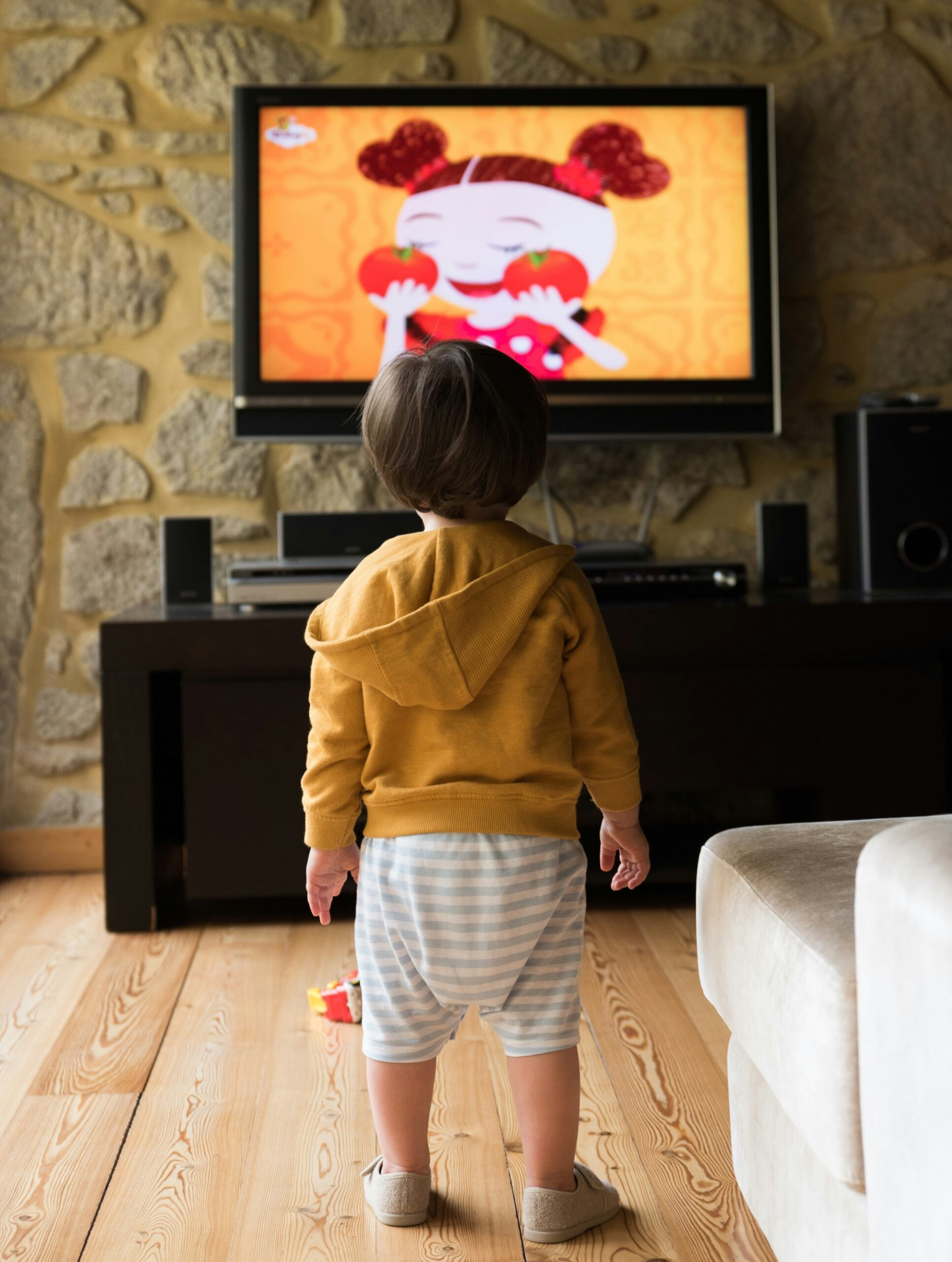
Today's children are born straight into the digital world. Tablets, phones, television – a natural part of everyday life. As a parent, though, the question comes up more and more often: how much does it actually matter for a child's health if they spend too much time in front of a screen?
The answer: quite a lot. It affects not just their eyes, but the development of their nervous system, their sleep, and their mood too.
1. The effect of screens on the eyes
Excessive screen use can cause eye strain, blurred vision and headaches. Children's eyes are more sensitive, and aren't yet able to adapt to focusing up close for long periods.
Tip: every 20 minutes, take a 20-second break and have the child look at something at least 6 metres away (the 20-20-6 rule).
2. Posture and lack of movement
Sitting in front of a screen often leads to poor posture: a forward-leaning head, hunched shoulders, back pain. Lack of movement also raises the risk of weight gain and concentration problems.
Tip: for every hour spent in front of a screen, make sure there's at least 15 minutes of active movement.
3. Sleep problems and the blue-light effect
The blue light emitted by screens suppresses the sleep hormone melatonin, making it harder for children to fall asleep.
Tip: no screens in their hands for at least an hour before bedtime, not even for a bedtime story on the phone.
4. Psychological and social effects
Too much online stimulation can trigger irritability, attention problems, and even anxiety. A lack of real human connection and play also slows social development.
Tip: shared, offline time (walks, board games, dinner together) helps maintain balance and emotional security.
5. How much screen time is healthy?
- 0–2 years: ideally no screen time at all
- 3–6 years: a maximum of 30 minutes a day
- 7–12 years: no more than 1 hour
- Over 13: 1–2 hours a day, with regular breaks
The point isn't just the amount, but the quality too: educational, movement-encouraging digital content used together with a parent is far less harmful.
In summary
Digital devices aren't the enemy on their own, but moderation and awareness are key. As parents, we're the ones who can strike the balance where technology doesn't take away from childhood, but enriches it.